Tag: b12
-
Egg Consumption, B12, Lutein and Zeaxanthin
B12 is a group of cobalt-containing vitamins. Hydroxocobalamin and cyanocobalamin are synthetic forms of vitamin B12. The two forms of vitamin B12 naturally occurring in foods are methylcobalamin and adenosylcobalamin. These forms are biologically equivalent.
B12 is produced by a number of different species of bacteria which is found in the soil, on the surface of some plants and some red and green algae.
Lack of vitamin B12 can have serious consequences as does high levels of homocysteine. Determining the status of vitamin B12 and homocysteine can be difficult and can be determined by measuring serum vitamin B12, homocysteine and methylmalonic acid (MMA).
A number of products contain riboflavin, pyridoxine, folate, B12 and methionine way in excess of dietary requirements in an attempt to resolve B12 metabolism problems.
Many magnesium supplements contain pyridoxine which is usually unnecessary and possibly detrimental.
Vitamin B12 is not made by plants or animals but by microbes. In today’s world, the water supply is commonly chlorinated to kill bacteria. We don’t get much B12 in the water, we also do not get much cholera.
Read more ⇒ -
Methionine Dependent Cancers
Homocysteine is a non-protein amino acid. It is synthesized in the body from methionine, which is a sulfur containing amino-acid.
Methionine is much more prevalent in animal products than plant products. Rotten eggs smell the way they do because the sulfur produces a number of sulfur containing gases including hydrogen sulfide— rotten egg gas.
A high level is of homocysteine is associated with an increased risk for chronic inflammation, cardiovascular disease, and Alzheimer’s disease.
Many human cancer cell and primary tumors have a requirement for methionine, an essential amino acid.
Methionine-free or methionine-deprived diet causes a regression of a variety of animal tumours.
Read more ⇨ -
DFN – Food Vitals Webinar on 26 July 2021
One thing that psychology has taught us is that people do not make choices based on logic and evidence but feelings and emotions. Any basic marketing course teaches us to “sell the sizzle, not the sausage”.
Michael Greger has an incredible video about his grandmother Francis and John Robbins tells a deeply moving story about “The Pig Farmer”. Links to both are on my website. This is what changes people behaviour – not another journal reference or graph. I still cannot get through either without crying.
I have several testimonials from people who have transformed their lives – despite opposition from the medical profession.
On the 4th July 2019, the ABC (Australian Broadcasting Corporation) published this news item as its top news story.
World Health Organisation’s recommendations on saturated fat are out of date, expert team says.
This article was based on an article, WHO draft guidelines on dietary saturated and trans fatty acids: time for a new approach? It was published in THE BMJ the previous day, written by Arne Astrup and 17 colleagues. These popular commentators are very well organised.
At the end of Astrup’s article, the evidence for including eggs, chocolate, cheese, and meat is listed, which matches the needs of their corporate sponsors.
No amount of bar graphs or references will compete with a picture of a delicious burger, complete with eggs and chips.
Dr Shireen Kassam is a Consultant Haematologist and Honorary Senior Lecturer at King’s College Hospital, London with a specialist interest in the treatment of patients with lymphoma (cancer of the lymphatic system). She is also passionate about promoting plant-based nutrition for the prevention and reversal of chronic diseases and for maintaining optimal health after treatment for cancer.
When Shireen introduced herself at the beginning of her Food Vitals Webinar on 26th July 2021, she stated that she and her husband were vegan for over 7 years (which makes it about about 2014). At the end of her talk, she stated that her haematologist husband did not embrace her vegan lifestyle until after COVID-19 in March 2020 – some 4 years later, when his BMI was 30.2, weight was 87 kg, cholesterol 6.5 mmol/L and blood pressure 145/88.
If it takes a specialist medical doctor 4 years to embrace his wife’s lifestyle with all the evidence that she can present, then it does not bode very well for the rest of the population.
Read more ⇒ -
Zinc, Selenium and the Immune System
Zinc and selenium are important micronutrients required for the immune system to function effectively along with vitamins A, C, E, B6, B12, C, D, E and folic acid and the trace elements iron and copper.
Both insufficient and excessive intakes of zinc and selenium can have negative consequences on the immune status.
For the majority of people, low selenium intake is not a major issue. Whole-grains provide provide a more than adequate supply for vegans.
A serum selenium test shows a short-term status of selenium whilst red blood cell selenium reflects a long-term status.
Before consuming large amounts of selenium in foods or supplements, it is important to know the true status of your selenium.
Read more ⇨ -
Vitamin B12, Homocysteine and Methylmalonic Acid
B12 (cobalamin) is a group of cobalt-containing vitamins. Hydroxocobalamin and cyanocobalamin are synthetic forms of vitamin B12. The two forms of vitamin B12 naturally occurring in foods are methylcobalamin and adenosylcobalamin. These forms are biologically equivalent.
B12 is produced by a number of different species of bacteria which is found in the soil, on the surface of some plants and some red and green algae.
Lack of vitamin B12 can have serious consequences as does high levels of homocysteine. Determining the status of vitamin B12 and homocysteine can be difficult and can be determined by measuring serum vitamin B12, homocysteine and methylmalonic acid (MMA).
A number of products contain riboflavin, pyridoxine, folate, B12 and methionine way in excess of dietary requirements in an attempt to resolve B12 metabolism problems.
Many magnesium supplements contain pyridoxine which is usually unnecessary and detrimental.
Read more ⇨ -
Men’s Shed Morpeth – 28 February 2014
The transcript of a talk given at Morpeth Men's Shed on 28 February 2014.
Read more ➱ -
What is a Heart Attack?
The consensus at the beginning of the 20th century was that heart disease is a normal part of aging. In 1913, a 28 year old pathologist, Nikolay Anitschkow (or Anichkov), working at the Military Medical Academy in St. Petersburg, showed that by feeding rabbits cholesterol dissolved in sunflower oil induced vascular lesions closely resembling those of human atherosclerosis, both grossly and microscopically. Controls fed only the sunflower oil showed no lesions.
Another difficulty in understanding heart disease is that there are a number of factors involved. Researchers, practitioners and the public become attached to one aspect. Some argue passionately (or aggressively) regarding one aspect of heart disease and become blind to other factors.
Read more ➱
Font Resizer
Search

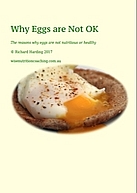

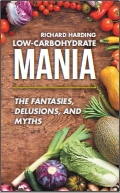
 Discover why researchers, popular commentators and the food industry is more concerned with maintaining corporate profits than ensuring that we have valid health information.
Who is going to get wealthy by encouraging people to eat their fruit and vegetables?
Featured Posts
Introduction to Wise Nutrition CoachingIntroduction to Whole-food, Plant-based Diets
Introduction to Sex-hormonal Related Cancers and Endometriosis
Why Consume a Whole-food, Plant-based Diet?
Where do You Get Your Protein on a Vegan Diet?
Where Do You Get Your Iron and Calcium on a Vegan Diet?
Is Cow’s Milk Healthy?
Diet and Breast, Ovarian and Endometrial Cancers
Are Humans Meant to Eat Red Meat?
Taiwanese Buddhist Study
What Causes Type 2 Diabetes?
A Guide to Glucose Tolerance
Why do Seventh-day Adventists Live the Longest
Blue Zones: What the Longest-Lived People Eat
Are Eggs Bad for You?
How Cooking Food Made Us Human
Deception from The BMJ
Endometriosis and Diet
Changes to our Health Indicators
What Causes Type 2 Diabetes
What is the Role of DNA in Determining our Health?
Is There Really Good and Bad Cholesterol?
The Traditional Diet of Inuit
Is Wheat Bad for You?
Vegan Starter Kit
Center for Nutrition Studies

Last Modified
- Getting Started on a Whole-Food, Plant-Based Diet 9 November 2026
- Testing Link Colours 9 November 2026
- Introduction - Josh Burns 5 November 2026
- Whole-Food Plant-Based Diet: The Evidence - Wise Nutrition 5 November 2026
- Thomas King HARDING 4 November 2026
- About Richard Harding 4 November 2026
- Changes to our Health Indicators 4 November 2026
- Videos 4 November 2026
- Where Do You Get Iron on a Vegan Diet? 3 November 2026
- Search Help 2 November 2026